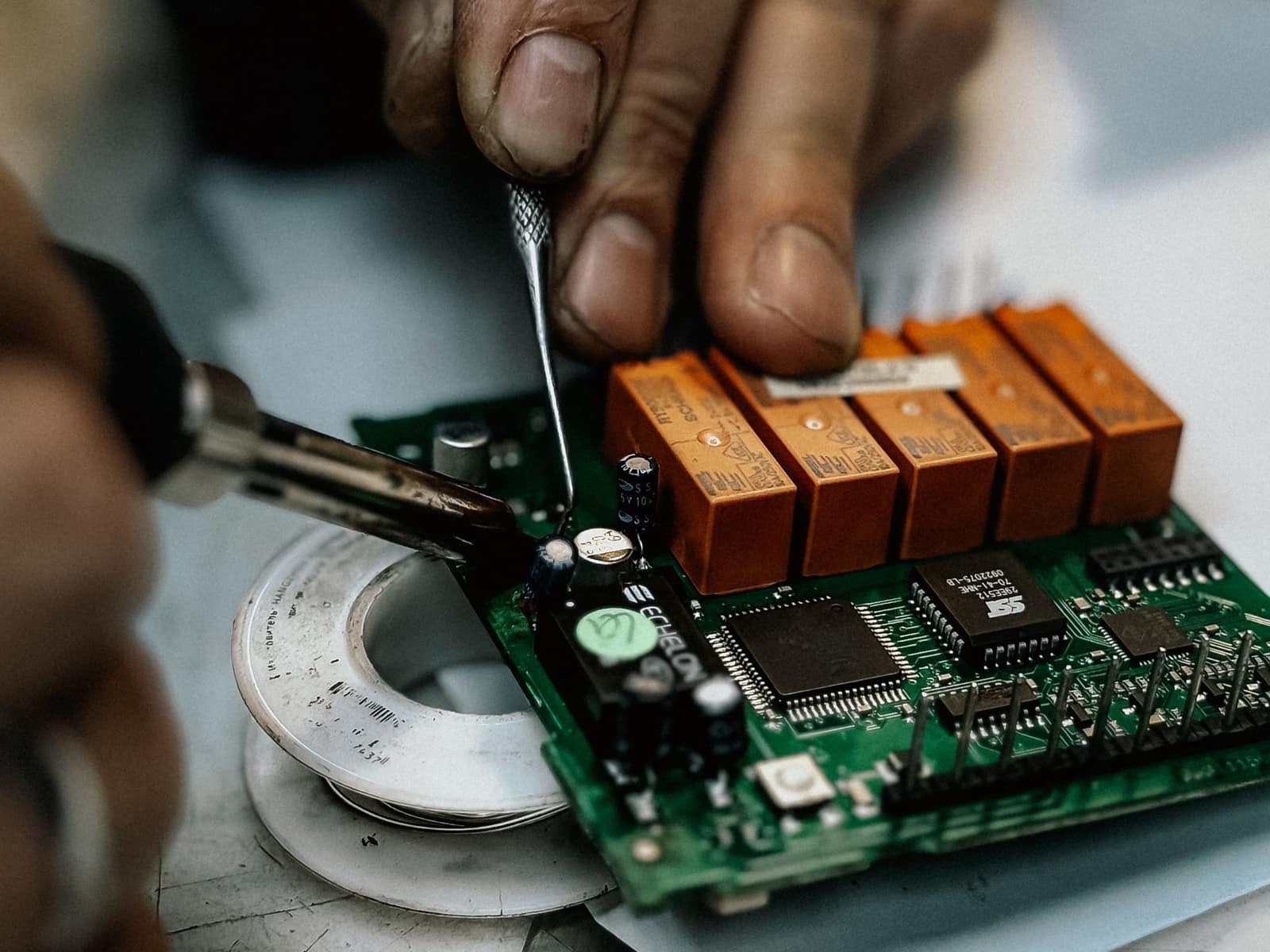
Made where the stock already is
The smaller half of the business, and deliberately so. We build, pack and finish goods for clients who need the work done without running a production line of their own.
Production next to the pallets
A contract packer usually has to have stock sent to them, then sent on again. Two movements, two handovers, and a week in which nobody is quite sure where the goods are.
Ours is a trolley ride. Components come off the rack, the work is done, and the finished goods are booked back into the same stock system under a new part number. For short runs and unplanned rework that difference is most of the value.
We are not a volume manufacturer and do not pretend to be. If you need hundreds of thousands of identical units a month, a dedicated factory will beat us on price and we will say so.
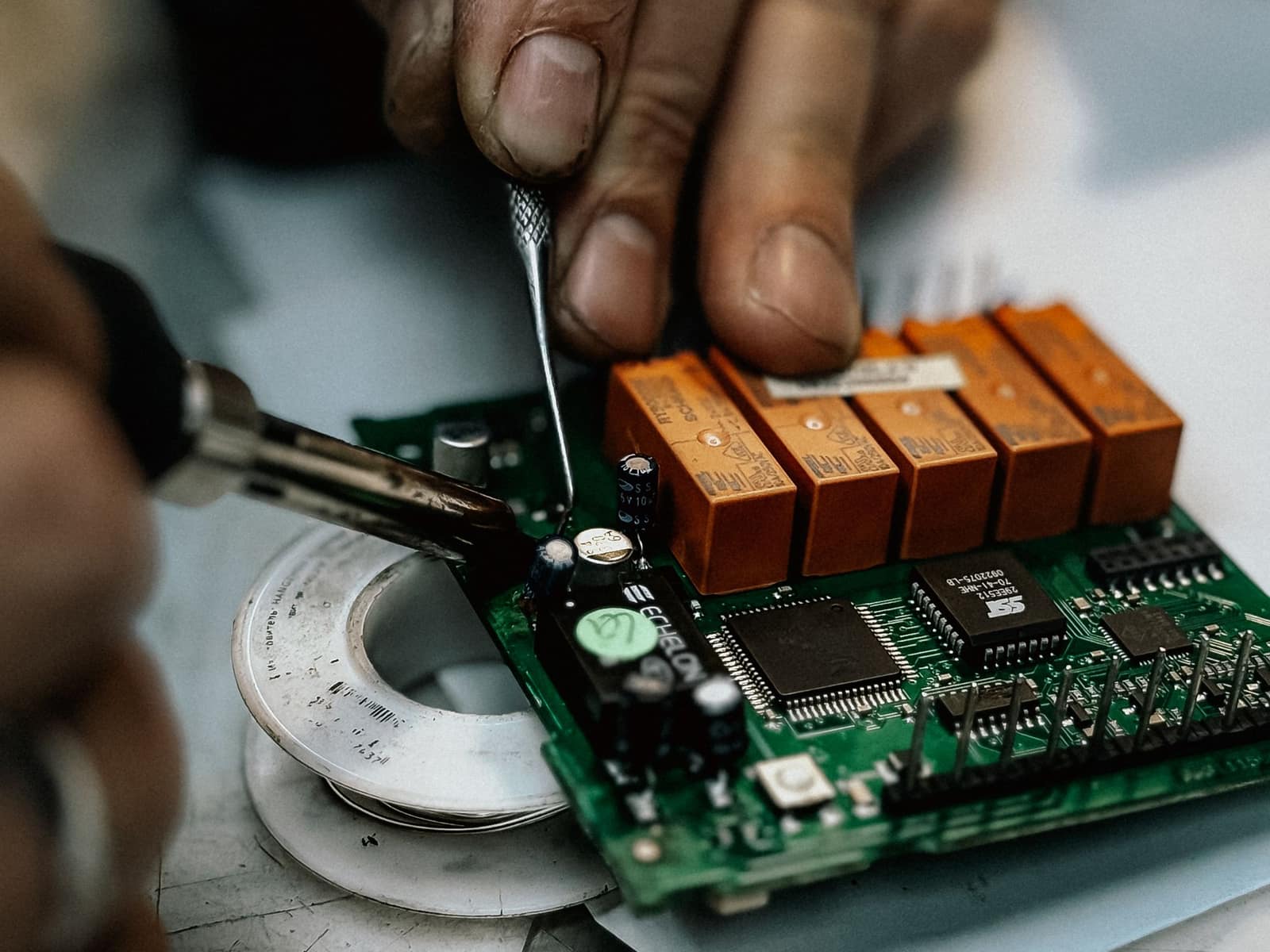
What we take on
Assembly
Putting components together to a written method, at a bench rather than on a line. Suited to products that change often, come in many variants, or do not run in the volumes that justify tooling. The method statement is agreed with you before the first unit is built and is what we work to afterwards.
Contract packing
Repacking bulk into retail units, building multipacks and promotional sets, labelling for a particular market, and kitting components into a single part number. Much of this arrives as a short-notice request against stock we are already holding, which is the reason it sits next to the warehouse.
Finishing and rework
Relabelling, date coding, protective wrapping, and correcting goods that arrived wrong. Rework is rarely planned, and a client whose stock is already on our floor can have it dealt with in a day rather than shipping it somewhere and back.
Quality control
Goods checked against an agreed specification, with results recorded and failures quarantined rather than quietly returned to stock. Where a batch has to be traceable, the records tie the batch to the components that went into it and the date it was built.
Before we quote a build
We will ask for a specification, a sample if one exists, and the volume across a year rather than a peak week. Short runs and variants are what this setup is for, but they need to be described honestly, because a build quoted against the busiest month is a price nobody is happy with by March.